Cat Pattern Design Review for Embroidery Projects
A First Look at Cat Pattern Design
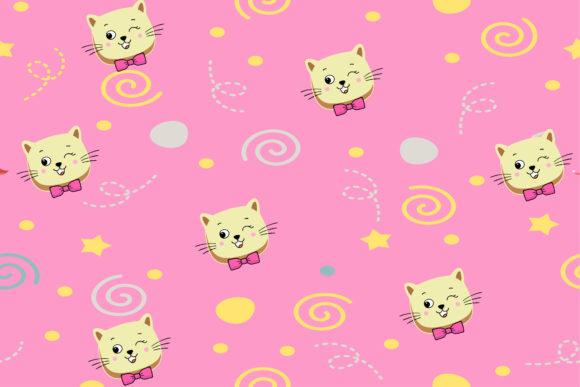
When I first opened the Cat Pattern Design, I was immediately drawn to its playful yet refined aesthetic. The design exudes a sense of whimsy, making it perfect for projects that need a touch of charm without being overly childish. The cat’s posture and expression are well-balanced, with just enough detail to be recognizable but not so intricate that it becomes overwhelming in embroidery.
The layout is centered, which makes it ideal for use on items like tote bags or sweatshirts where the focus should be on the main image. The level of detail suggests that it would work well with satin stitches or fill stitches, depending on the desired texture. It feels like a design that could easily transition from a personal project to a commercial product, especially for Etsy sellers or small shop owners looking for a versatile asset.
How Cat Pattern Design Performs in Real-Life Embroidery
I recently used this design to create a custom embroidered tote bag for a boutique client. The process went smoothly, and the final result was something I felt confident showing to customers. The cat’s features were clear even when viewed from a distance, which is important for products like tote bags that are often seen from afar.
This design also has potential for baby clothes or nursery decor. Its gentle, friendly vibe fits well with children's items, and the size of the canvas (1920 px X 1280 px) allows for scaling down without losing clarity. For those working with custom apparel or sweatshirt embroidery, the flexibility of formats like AI, EPS, SVG, JPG, and PNG means it can be adapted to various software and machines.
If you're an Etsy seller or running a craft business, this design could serve as a standalone item or be part of a larger collection. It’s also suitable for personalized gifts, such as embroidered patches or pillow covers, where the visual appeal plays a big role in customer engagement.
Where to Use Cat Pattern Design with Caution
While Cat Pattern Design is versatile, there are some situations where extra care is needed. For instance, if using it on small hoop sizes or curved surfaces like caps, the details might get lost or distorted. Similarly, on stretchy fabrics or dark backgrounds, the contrast might not be as strong unless you choose the right thread colors.
For handmade products that require frequent washing, it's essential to test the stitch density and ensure that the design doesn’t cause puckering or damage over time. Using a proper stabilizer can help maintain the integrity of the embroidery, especially on thin or textured fabrics.
Also, when working with decorative accents or tiny lettering, make sure to review the design closely. While the overall shape is clean, smaller elements might need adjustments to fit specific embroidery techniques or fabric types.
Design Notes for Embroidery Professionals
Before committing to a project, I always recommend testing the Cat Pattern Design on scrap fabric. This helps identify any issues with stitch density or color contrast. It’s also wise to check how the design looks in black and white mockups, as this can reveal hidden details or areas that may not translate well to different fabric types.
Reviewing the embroidery file for small details is crucial. If you plan to use it for commercial embroidery, confirm whether the licensing allows for selling finished items or digital products. As a designer, knowing these terms upfront can save time and avoid legal complications later on.
Lastly, don’t forget to compare the design on both light and dark fabric backgrounds. The thread colors used in the final product will greatly affect how the cat appears, and choosing the right palette can enhance the overall look of your finished product.
Final Thoughts on Cat Pattern Design
Cat Pattern Design offers a great balance between simplicity and character. Whether you're creating handmade products, personalized gifts, or small shop merchandise, this design has the potential to elevate your work. Its versatility across multiple formats and its ability to adapt to various embroidery techniques make it a solid choice for both hobbyists and professionals.
As with any machine embroidery design, taking the time to understand how it behaves in real-world conditions will help you achieve the best results. With a little preparation and attention to detail, Cat Pattern Design can become a valuable addition to your creative toolkit.